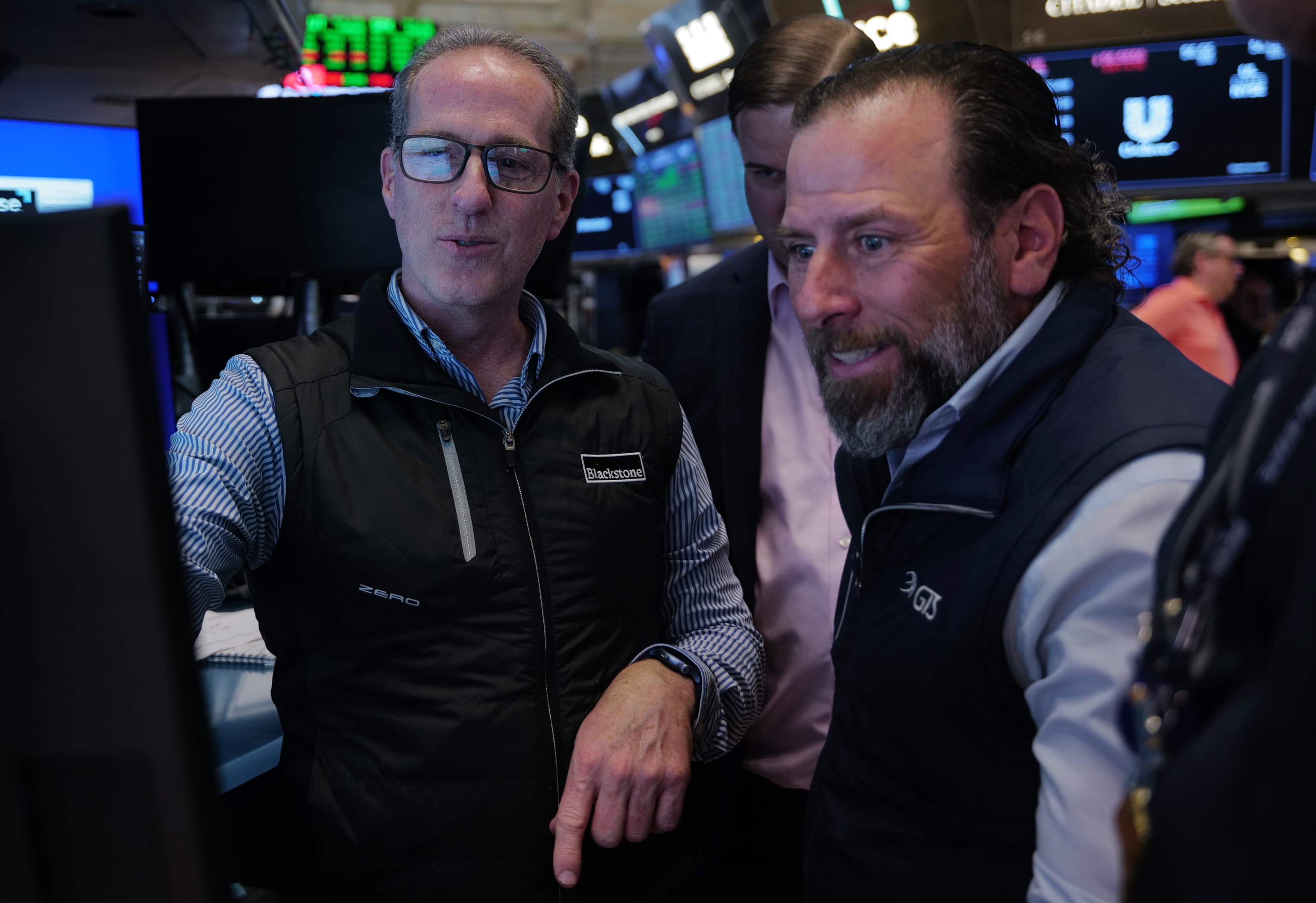
The S&P 500 index marked its fourth consecutive winning day, reflecting a broader sentiment in the market that is currently being heavily influenced by optimistic expectations surrounding a potential last-minute ceasefire agreement in the Middle East. This development injects a degree of stability into an otherwise volatile economic landscape, demonstrating how geopolitical events can translate directly into tangible shifts in global stock performance.
Is the Market Reacting to Geopolitical Stability?
Analyzing the Link Between Iran Hostilities and Stock Performance
The recent rally in the S&P 500 is not an isolated event; it is deeply intertwined with ongoing diplomatic negotiations concerning Middle East hostilities. Investor confidence is demonstrably rising as market participants weigh the potential ramifications of an imminent ceasefire on global energy prices, trade routes, and overall geopolitical risk assessment.
Specifically, the anticipation for a resolution to the conflict has provided a crucial psychological boost to the market. When uncertainty reigns over international relations, markets often exhibit extreme sensitivity to any news that suggests de-escalation is possible, leading to immediate gains as investors seek a perceived reduction in systemic risk.
- Influence of Ceasefire Hopes: Optimism regarding a swift end to Middle East hostilities directly contributes to the upward momentum seen in the S&P 500.
- Market Volatility Reduction: The emergence of potential diplomatic solutions helps temper the extreme volatility often associated with unresolved international conflicts.
- Investor Behavior: These hopes guide market behavior, prompting stocks to hold gains as investors anticipate a reduction in future risk exposure.
Furthermore, the reiteration of deadlines, such as those set by figures like Trump for Iran-related agreements, plays a significant role in maintaining this positive trajectory. When clear timelines are established, even if negotiations are protracted, it provides a framework that allows markets to process information and sustain gains rather than enter a prolonged state of fear.
The Broader Market Context: Dow, Nasdaq, and the Energy Sector
The performance of the S&P 500 is mirrored across the broader US stock indices. Reports indicate that the Dow Jones Industrial Average and the Nasdaq also registered gains on the same day, underscoring a synchronized positive reaction across various sectors of the economy.
This synchronization suggests that the underlying drivers for market movement are not confined to a single index but are reflective of overarching economic forces and geopolitical risk management strategies employed by global investors. The energy sector, in particular, is highly sensitive to these developments, as shifts in Middle East stability directly impact commodity pricing, which in turn influences the valuation of many large-cap stocks.
The trend observed on April 6, 2026, highlights an evolving dynamic where financial markets are increasingly attuned to political realities. The relationship between diplomatic outcomes and investment performance is now a central theme in market analysis, moving beyond purely fiscal metrics to incorporate the complex interplay of international politics.
Future Implications for Investment Strategy
For long-term investment strategy, understanding this correlation between geopolitical stability and market performance is vital. Investors must recognize that external political dynamics are not peripheral concerns but core determinants of asset valuations. Future strategies should incorporate scenario planning based on potential diplomatic outcomes rather than focusing solely on short-term fiscal data.
The sustained gains seen in the S&P 500, driven by these hopes for resolution, serve as a reminder that market sentiment, heavily informed by global events, remains a powerful force shaping investment decisions across the board.